
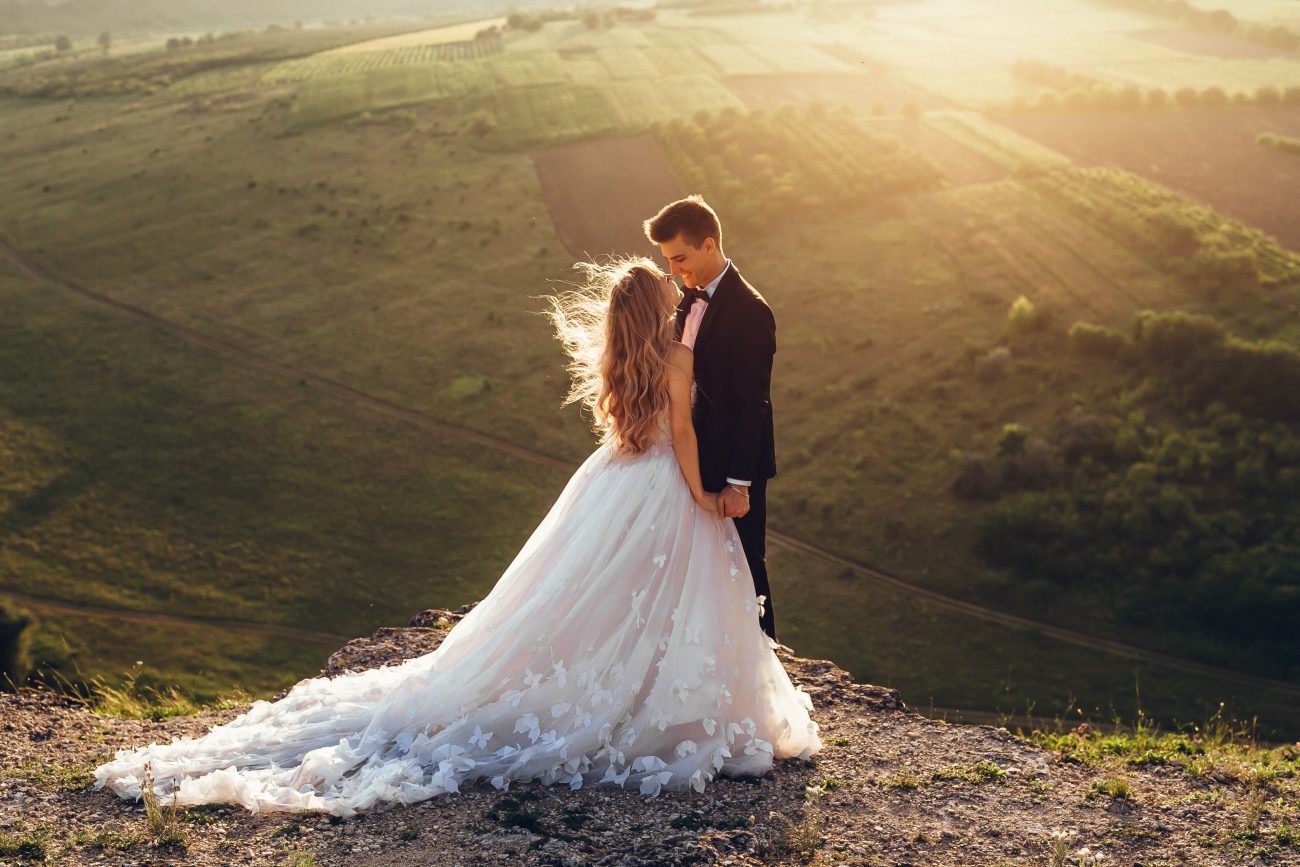


A ‘wedding’ but not married? Make sure you take specialist legal advice
They had the wedding, appeared to sign something and told the world they were married – including hosting a podcast about wedded bliss – but it recently emerged that reality star Olivia Attwood and footballer Bradley Dack were never actually husband and wife.
The venue they chose was not licenced and the legal requirements necessary for a valid marriage were not completed.
The couple have now split and whether they ever intended to make their relationship legal or not, will remain between the two of them.
However, it does highlight an important area of the law – the difference between married couples and unmarried cohabiting couples when it comes to the legal protections in place, or not, if you end your relationship, particularly in relation to property, financial provision and pensions.
Does common law marriage exist?
No, yet is it far from uncommon for someone who thought they had the legal status of a spouse to find out too late, when the relationship ends, that they are actually treated as unmarried cohabitants in the eyes of the law.
It is important to remember that saying “I do” in a purely ceremonial or symbolic wedding does not bring with it the legal protections of a marriage meeting all the relevant legal criteria. Neither does living together, sharing property and having children.
For a marriage to be legal in the UK, you must give formal notice at a register office at least 29 days before, use a licenced venue, have two witnesses and be 18 or over, free to marry and sign the marriage schedule.
What is the difference in how the law treats married and unmarried cohabiting couples?
Unlike married partners, as a cohabiting partner you have:
- No automatic right to come out of the relationship with what you consider a fair reflection of what you have put into it. For example, if you bought a property together but didn’t formally set out the shares of ownership and how the sale proceeds were to be divided if you separated, you may not get what you think is just.
- No rights to a property you may have lived in for years if it was solely owned by your deceased partner.
- No automatic right to inherit your partner’s property and estate– even if you have lived together for many years and have children together – if your partner dies without a valid Will in place.
- No right to spousal maintenance or your partner’s pension.
- No tax benefits to cohabiting, unlike marriage or civil partnership.
- No automatic parental responsibility as a biological father if you are not named on the child’s birth certificate, unlike married fathers.
What should cohabiting couples do now?
Taking legal advice is important, particularly if you are thinking of having, or have had, a wedding celebration without completing the legalities.
Our lawyers can help you with drafting agreements which can provide some protection, including:
- A Cohabitation Agreement which sets out what agreements you have reached with your partner about finances and property.
- A Declaration of Trust which deals with any property owned by you.
- Making and regularly reviewing your Will, which will provide protection for your loved ones on your death.
Click here to read what we have written on this previously.
If your relationship is breaking down, our skilled lawyers can help you to resolve your difficulties with your partner, either by negotiating a settlement or if necessary, taking the matter to court.
Get in touch
Wards Solicitors is recommended in the independent Legal 500 guide for 2026 for its outstanding professional service standards and high levels of expertise amongst its lawyers.
Our specialist Cohabitation Team is made up of solicitors Chloe King and Rebecca Max. They are both members of Resolution, a community of family justice professionals which has played a key role in calling for cohabitation reform.
Chloe and Rebecca can help in disputes concerning the ownership of property, whether registered in joint names or one person’s sole name.
This includes unmarried couples, family members and friends who may find themselves in a difficult situation if one person wishes to sell the property or move out.
- Contact them to arrange a free 30 minute, no obligation initial consultation.