
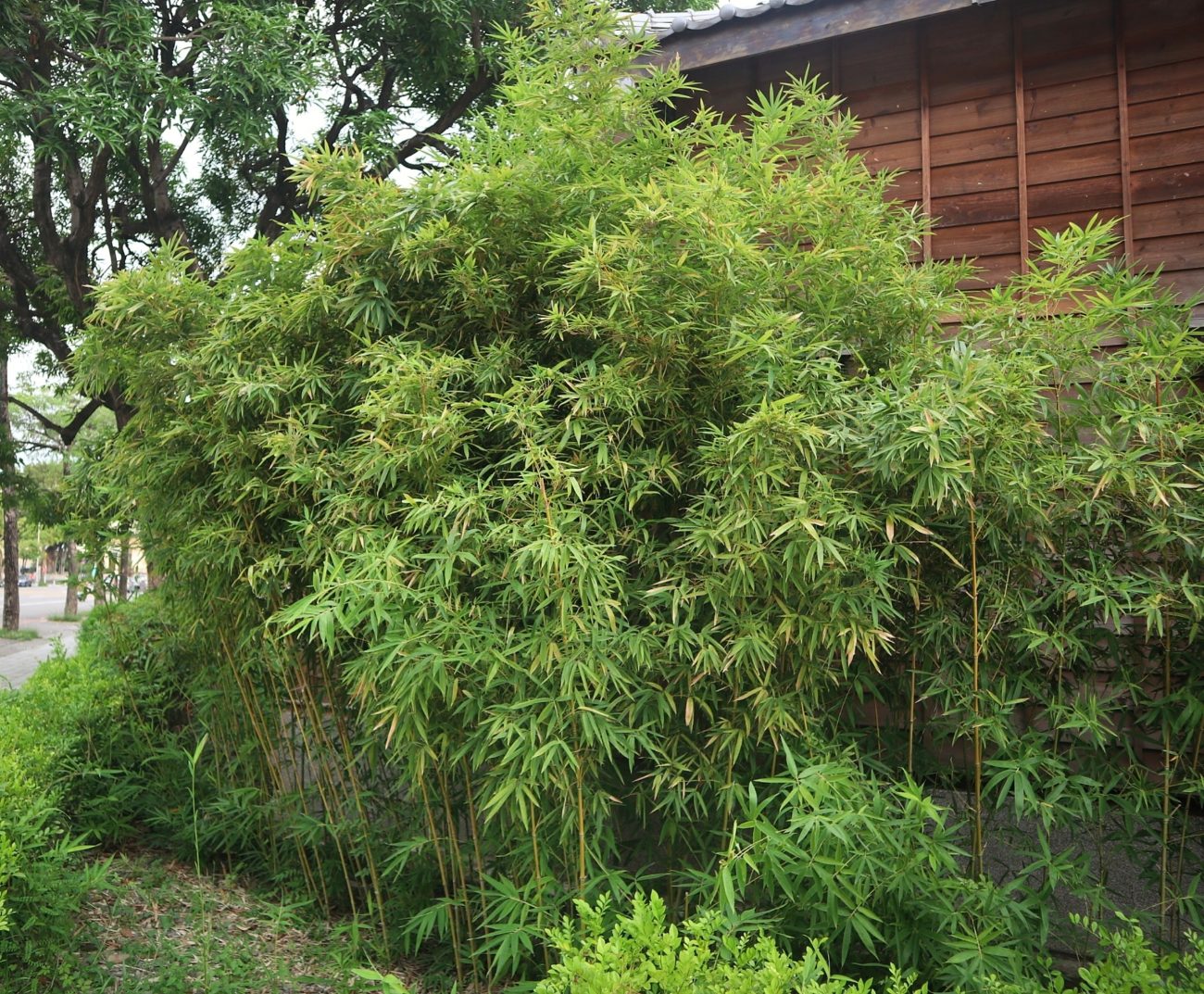


Conveyancing: Interested in buying a property with bamboo in the garden? What you need to know
The words ‘Japanese knotweed’ have long instilled fear in homebuyers. Now there’s a potentially more dangerous and damaging kid on the block – invasive bamboo.
Mortgage lenders are becoming increasingly cautious when invasive bamboo is flagged up on a survey although the seller is currently under no obligation to declare it.
A recent survey of more than 2,000 adults found that 54% were unaware that invasive bamboo can cause more damage to properties and gardens than Japanese knotweed and is more likely to be the cause of a dispute with a neighbour. Just 38% said they’d be put off buying a property with bamboo.
What’s the problem with bamboo?
There are two types of bamboo – clump forming bamboo and running bamboo and you can buy both in garden nurseries up and down the country.
While clump forming bamboo generally causes no problems, running bamboo can quickly – if not planted within a container or with a root barrier – become an issue.
It is a fast growing and vigorous plant and roots can extend more than ten metres from the original planting site spreading aggressively through soil, under fences and patios and even into buildings.
This can not only cause damage and problems to the homeowner’s property but frequently, neighbouring properties too.
What is the law on invasive bamboo?
Unlike Japanese knotweed, there is no legislation when it comes to bamboo.
It is not listed as a controlled species under the Wildlife and Countryside Act 1981 and anyone can plant either the clump forming or invasive running varieties in their garden.
Sellers are under no obligation to declare it on the TA6 Property Information Form which provides detailed information about the property for the prospective buyer (sellers are required to declare if they are aware of Japanese Knotweed affecting the property).
Although more surveyors are apparently highlighting the presence of bamboo, there is no requirement for them to check for it.
What should you do if the property you want to purchase has bamboo?
It’s important not to ignore it. Tell your surveyor and if necessary, ask for a specialist report.
Invasive bamboo can be costly to eliminate with bills hitting several thousand pounds for digging out the plant, pulling out all the rhizomes and spraying any residual shoots with a powerful herbicide.
If it needs removing, you may want to negotiate with the seller for either a price reduction or for the seller to pay for the remediation process.
Although insurance-backed guarantees (IBGs) – which mean a customer’s guarantee following treatment or excavation remains valid if the remediation company becomes insolvent – have long existed for Japanese knotweed removal, they are very rare for invasive bamboo.
Get in touch
Wards Solicitors wins high praise in the 2026 edition of the independent Legal 500 guide of outstanding legal professionals for its exceptional professional service standards and high levels of technical expertise.
Our expert and highly regarded Conveyancing Team works across all 13 of our local offices in Bristol, South Gloucestershire, Bath and North East Somerset and North Somerset.
Known for our attention to detail, our lawyers check and double check every aspect of the conveyancing process and all know their local housing market extremely well. In fact, many members of our team live in the same area as the office they work in.
Please don’t hesitate to get in contact.